
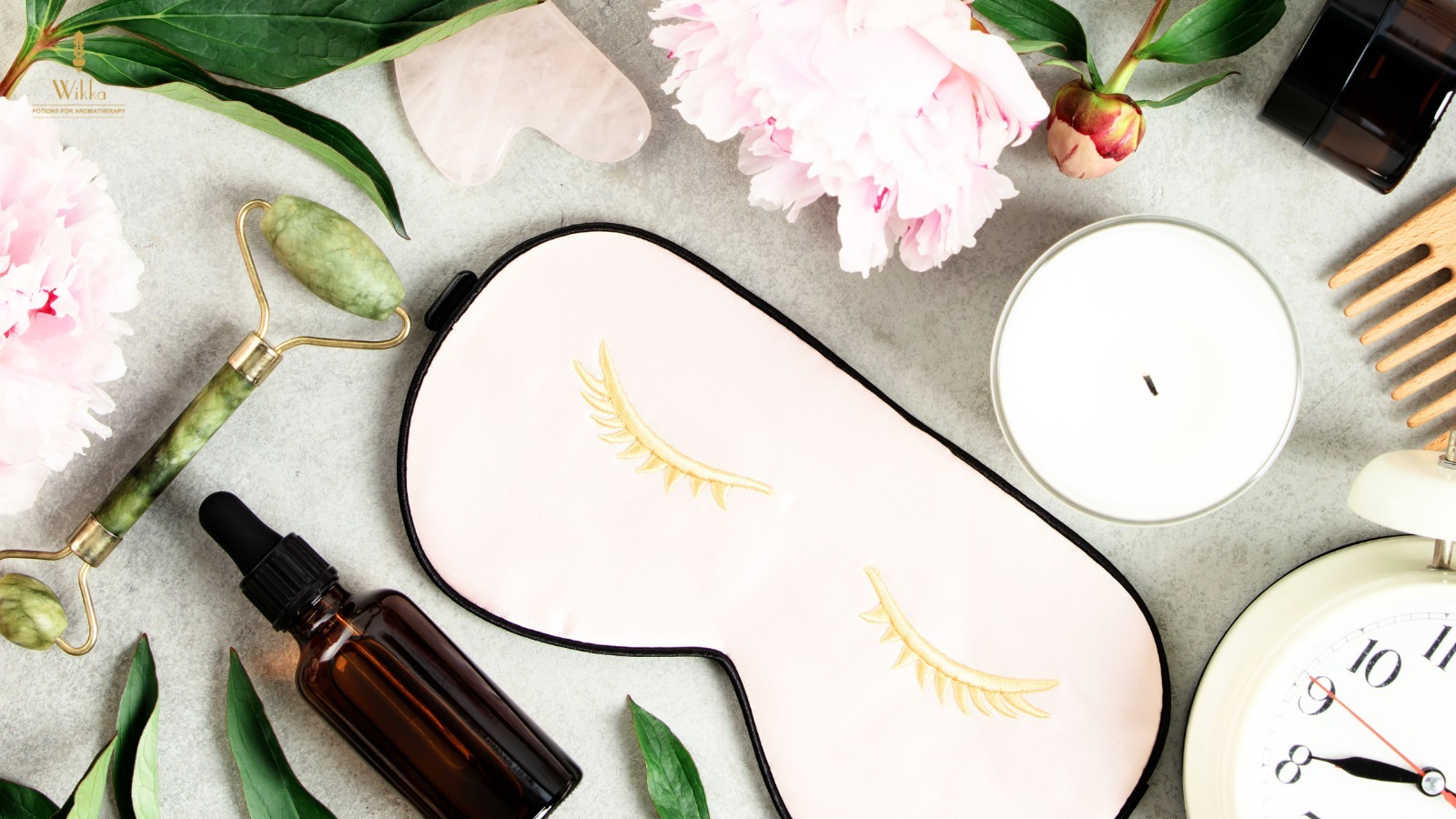
Aromatherapy for hormonal balance is an ancient practice that identifies how a woman’s body responds closely to scents, rhythms, and calming experiences. It is not just a trend; it offers a way to support emotional and physical well-being. Long before hormones were discussed in clinical terms, aromatic plants were used to support emotional steadiness, restorative sleep, and inner equilibrium.
While women navigate constant stimulation, disrupted sleep cycles, and prolonged stress in modern times, all of which quietly influence hormonal health, Aromatherapy offers a natural support for hormonal imbalances through the power of essential oils. When used mindfully, they help regulate the nervous system, soften emotional overload, and support a holistic approach to natural hormone balance for women.
In this blog, we will discuss how ancient aromatic wisdom can support women through different phases of life, a practical guide to using essential oils for women’s hormonal health — thoughtfully, safely, and with respect for the body’s innate intelligence.
Why Aromatherapy matters now (and why tradition still speaks to us)
Modern life amplifies stressors that affect the Hypothalamic–Pituitary–Adrenal (HPA) axis, sleep, and metabolic rhythms, all of which interact with hormonal systems. Ancient aromatherapy traditions used aromatic plants not only for fragrance, but to regulate mood, soothe the nervous system, and create repeatable rituals that signalled the body to relax and restore.
That ritual function is as important as the chemistry. When we talk about essential oils for women’s hormonal health, we’re talking about three things working together:
- Biochemistry: plant molecules interacting with olfactory and skin receptors.
- Nervous-system signaling: scent-driven modulation of mood, sleep, and stress response.
- Ritual: repetitive sequence of practices that can change behavior and physiology over time.
Together, they foster an environment that promotes natural hormone balance for women, not as a cure-all, but as a supportive, low-risk addition to nutrition, sleep, physical activity, and medical care.

How essential oils can support hormonal wellbeing
- Olfactory pathways: Our sense of smell is directly linked to the brain’s emotional center, which can trigger powerful responses. That is why a calming scent can lower stress and encourage relaxation, which indirectly supports hormone regulation (cortisol, melatonin, etc.).
- Topical support: Essential oils, when applied safely and under observation, can support circulation and comfort. When topically applied, they are absorbed into the skin, influencing the body physiologically. Hence, some potions feel restorative and may assist with symptom relief, such as cramping or menstrual discomfort.
- Ritual & Consistency: Daily/weekly aromatherapy rituals are essential to get the most out of essential oils, as they create olfactory conditioning that associates specific aromas. Predictable cues that help reset sleep and stress patterns are foundational to hormonal balance.
A gentle note: Aromatherapy can be regarded as a supportive care that enhances overall wellness instead of substituting medical advice. Since each person has unique needs, especially during pregnancy or when dealing with particular health issues, it is always wise to seek guidance from a healthcare professional before starting new routines.
Essential oils commonly used for women’s hormonal health
Here are some of the widely favoured oils that appear most often in tradition and contemporary practices.
Calming & sleep-support
- Lavender: Widely used in Aromatherapy its calming aroma is helpful for sleep and anxiety.
- Bergamot: Its uplifting aroma is ideal to remove anxious energy (avoid direct sun exposure after topical application).
Hormone rhythm & menstrual support
- Clary Sage: Great for menstrual support and reducing stress hormones.
- Fennel (sweet): Can help in reducing PMS symptoms, support estrogen levels.
- Geranium: Can calm the nervous system and improve sleep cycles.
Emotional balance & grounding
- Rose: This highly fragrant, versatile oil is emotionally healing and can be used as an aide to overcome mood swings, and self-care rituals.
- Frankincense: Its warm, grounding aroma calms the mind and supports mindful routines.
Energy & mental clarity
- Peppermint: Widely known for its cooling, analgesic effects, helping ease discomfort and headaches.
- Citrus oils (lemon, sweet orange): bright, energizing inhalations for mid-day fatigue.
Practical, safe protocols & recipes you can use today
- Always do a patch test before topical use to see how it interacts with your skin and body.
- As a first-time user, go for safe dilutions: 1% for face, 1–3% for daily body blends. (1% =6 drops per 30 ml carrier oil; 2% = 12 drops per 30 ml.)
- Consult with a healthcare provider first if you are pregnant, breastfeeding, or on hormone medications, and try to avoid phototoxic oils when you are outdoors.
- Invest in high-quality, therapeutic-grade essential oils for best results.
Ritual A: Morning Energy Inhaler
- 2 drops peppermint oil
- 2 drops orange oil
Add to a cotton pad or a tissue and carry along with you. Whenever you start to feel a dip in your mood or energy, take a pause and breathe in the soothing scent. A simple ritual to boost alertness and uplift your spirits.
Ritual B: Mid-cycle Balancing Roller (2% dilution; 30 ml roller bottle)
- 12 drops clary sage
- 8 drops geranium
- 8 drops lavender
Mix with 30 ml of jojoba or sweet almond oil and use on the lower abdomen, inner wrists, and lower back when you notice PMS symptoms.
Ritual C: Bedtime Calm Bath
- Create a soothing bath experience by adding 4 drops of diluted rose oil into your warm bathwater.
- Immerse yourself in the therapeutic water for 10–15 minutes. Practice mindful breathing to enhance relaxation and promote a sense of calm.
Ritual D: Hormone Reset Self-Massage (post-menstrual or daily maintenance)
- 6 drops geranium oil
- 6 drops roseoil
- 4 drops lavender oil
- 30 ml carrier oil
Gently mix the potion and massage it into the abdomen, lower back, and feet as a slow, grounding ritual.
How to build a ritual that sticks
- Start small by picking one 2–3 minute ritual. For instance, diffusing an aroma at night before sleep.
- Pair your oil rituals with an existing habit. For example, a rejuvenating shower or late-evening relaxation.
- Track the small changes you notice over time. Like sleep quality, mood shifts, and menstrual comfort.
- Ritual potency comes from consistency; that’s how ancient practices created change.
What to expect, realistic outcomes
- Short term: improved sleep quality, reduced anxiety, easier transitions throughout the day, symptom relief (cramps, headaches) for some women.
- Long term: when combined with sleep hygiene, diet, movement, and medical care, Aromatherapy can be a tool that helps stabilize rhythms and supports natural hormone balance over time for women.
Ancient aromatherapy wisdom for the modern woman’s hormonal health is not about going back to the past but about choosing parts of the age-old practices that support safety, sleep, and calm. When used with intention and mindfully, essential oils become part of a daily commitment to self. A practical, sensorial, and deeply personal way to support Aromatherapy for hormonal balance and foster natural hormone balance for women.
Leave a Reply